
With so many ways to connect today, events remain one of the most powerful ways for SAP partners to engage customers, build pipeline, and bring their solutions to life.
And the good news is that hosting events is easier than ever, but what sets great events apart is the ability to measure what really matters, learn from it, and keep improving.
When you focus on the right KPIs, events can become a repeatable growth engine for your business.
As a demand generation agency, we’re constantly evaluating KPIs across campaigns. We see clear indicators of success such as audience quality, engagement, conversion or pipeline impact and use these insights to help SAP partners maximise the return on every event.
Let’s talk about how your next event can perform even better.
Beyond the Usual KPIs: What Else Should You Be Measuring?
There’s no doubt that metrics like:
- Total registrations
- Email opens
- Booth scans
- Social media impressions
are useful to monitor as they’re quick to access and can help gauge early reach.
But on their own, they don’t always reflect the true value your event delivers.
To fully understand performance and guide smarter decisions, it’s important to look beyond these surface metrics and uncover insights that speak to engagement, readiness, and revenue potential.
The KPIs That Truly Drive Value for SAP Partners
SAP partners who consistently run impactful events know that success is rooted in tracking KPIs aligned to the customer journey. Below is a framework to help focus on the metrics that move the needle.
1. Engagement KPIs
Measuring interest, attention, and interaction
- Attendance rate: A healthy benchmark is 55–65% for webinars and 65%+ for curated roundtables
- Watch time or average session duration: Strong engagement if attendees stay for 65%+ of the event
- Interaction rate: Measure participation in polls, chat, or Q&A
- Content downloads: A reliable signal of intent and interest
High engagement indicates content relevance and deeper audience connection, often a strong indicator of pipeline potential.
2. Sales-Relevant KPIs
Linking events to commercial outcomes
SQLs (Sales-qualified leads)
How many attendees progressed into qualified opportunities?
Meetings booked post-event
A key follow-up success measure, especially within 1–2 weeks
Influenced pipeline
Track deals where the event played a role
Lead score movement
How did event engagement improve lead quality?
These KPIs demonstrate how events directly contribute to sales pipeline and revenue influence.
3. Conversion KPIs
Understanding follow-up effectiveness
- Click-through rate on CTAs: Benchmark at 4–7% for post-event emails
- Landing page conversions: E.g. demo bookings, content downloads
- Drop-off points: Identifying when and why attendees disengage
These insights help refine your nurture journey and improve results over time.
What “Good” Looks Like: Event Benchmarks for SAP Partners
Having clear targets helps teams aim higher. Here are reliable performance benchmarks for SAP partner events:
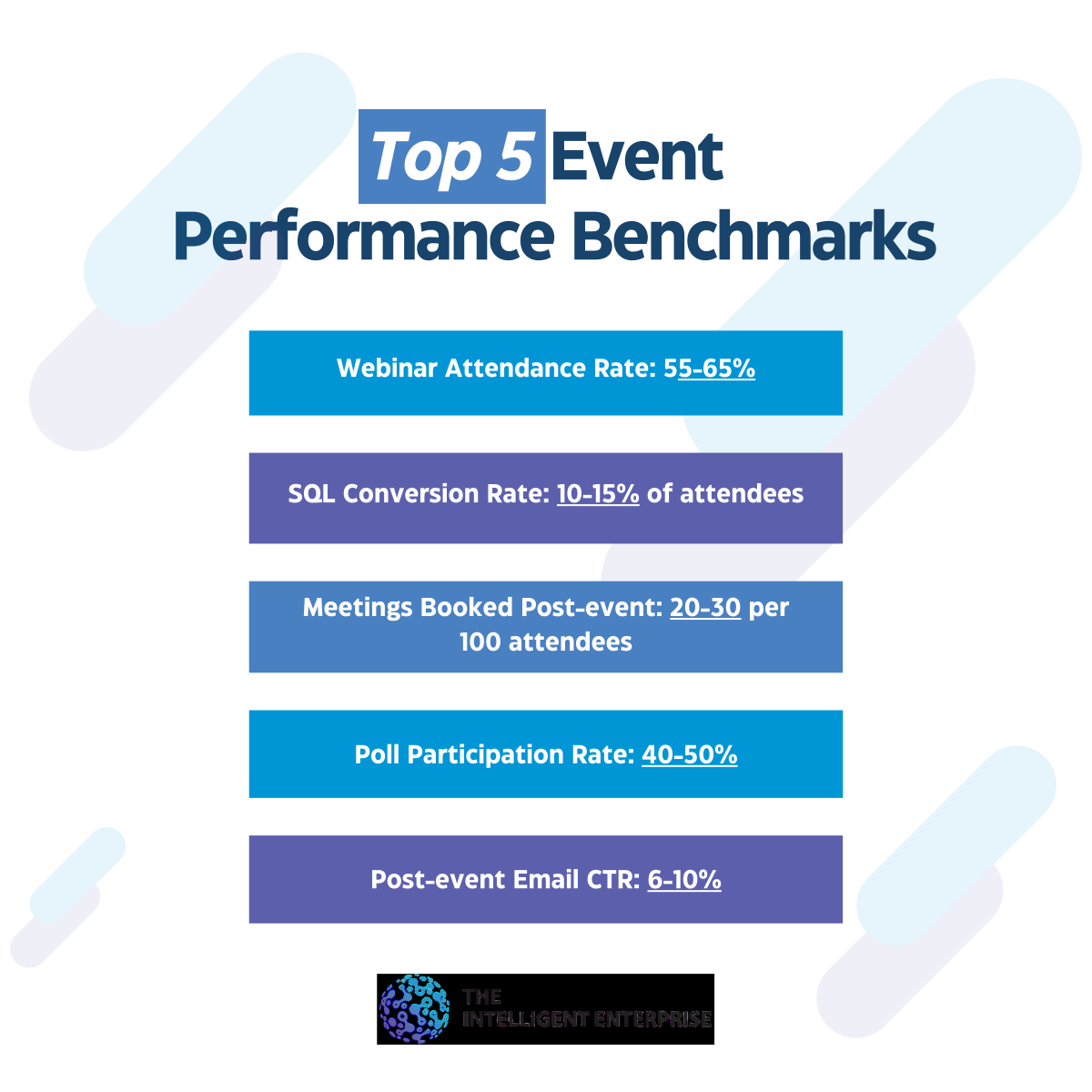
Even events with smaller audiences can be highly impactful, especially when the content and follow-up are aligned to your goals.
Tools That Help You Track What Matters
With the right tools and integrations, tracking becomes seamless and insightful:
- CRM & MAP integration (e.g. Salesforce + Zoom, ON24, or Teams)
- UTM tracking for links and CTAs
- Lead scoring models that reflect event engagement
- Well-timed follow-up workflows that turn interest into conversations
SAP partners who connect event data to CRM systems are better positioned to measure ROI and scale programs with confidence.
Final Thoughts
Tracking the right event KPIs is about continuously improving and delivering greater value with every campaign.
When SAP partners focus on meaningful metrics, they can make smarter decisions, improve campaign effectiveness, and clearly demonstrate business impact.
If you’re looking to refine your KPI strategy or want to understand how your events compare to industry benchmarks, our team at TIE (The Intelligent Enterprise) is here to help.
